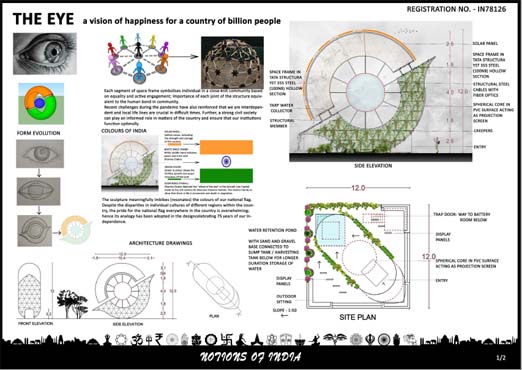
Competition Description - The project, Notions of India – The Eye, is conceived as a symbolic and sustainable public installation representing contemporary India.
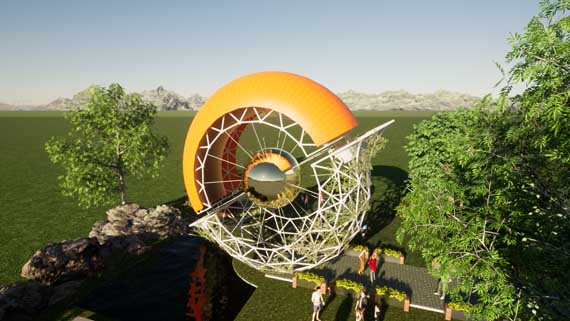
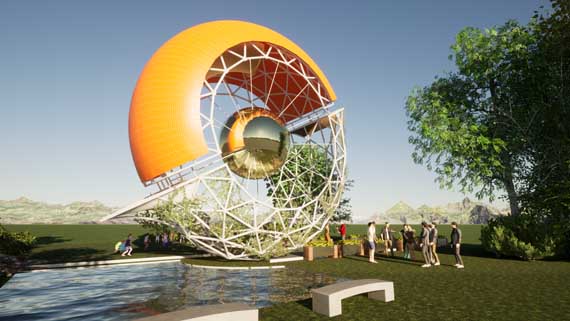
Derived from the form of an eye, the structure embodies vision, awareness, and collective consciousness, reflecting a nation driven by empowered individuals and cohesive communities living in harmony with nature. The sculpture is composed of a lightweight tubular steel space frame forming the upper and lower eyelids, with a suspended spherical core representing the Dharma Chakra. Each structural segment contributes equally to the whole, symbolizing equality, participation, and the strength of collective effort in nation-building. The installation rests on a raised platform that functions as an active public space for interaction and reflection. Sustainability is integral to the design. Solar panels, rainwater harvesting, green cover, and drip irrigation systems create a self-sustaining micro-ecosystem with minimal resource exploitation. The colours and elements of the national flag are abstracted through materials, landscape, and structure, reinforcing national identity. The project acts as a landmark, a social condenser, and a living prototype that promotes environmental responsibility, social bonding, and a hopeful vision for a progressive and resilient India..
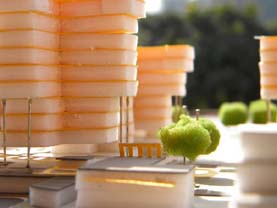
Project Description The project explores the idea of Notions of India through a contemporary architectural language rooted in sustainability, climate responsiveness, and collective memory. Rather than replicating historical forms, the design abstracts Indian spatial principles—courtyards, shaded transitions, porous edges, and layered thresholds—into a resilient built ecosystem. Architecture here is conceived not as an isolated object, but as a living framework that evolves with nature, people, and time. The site is organized as an interconnected system of built masses, open courts, and landscape spines that encourage movement, interaction, and ecological balance. Built volumes are deliberately fragmented to reduce scale, improve natural ventilation, and allow light and landscape to penetrate deep into the project. Transitional spaces such as verandahs, semi-open corridors, and shaded plazas act as social condensers while responding passively to the climate. Sustainability is embedded at multiple levels—through orientation, passive cooling strategies, water-sensitive landscapes, and the use of locally relevant materials. Green buffers, water bodies, and permeable surfaces work together to create a self-sustaining microclimate, reducing dependence on mechanical systems. The landscape is not ornamental but performative, contributing to thermal comfort, biodiversity, and user well-being. Overall, the project proposes a holistic, future-ready ecosystem that balances tradition and innovation. It reinterprets Indian spatial wisdom through a modern lens, creating architecture that is environmentally responsible, socially inclusive, and contextually grounded. .
Sketch No. 1
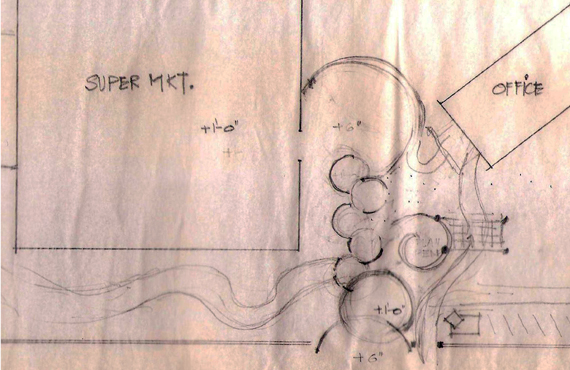
Study of space distribution and transition at a super market entrance.
Sketch No. 2
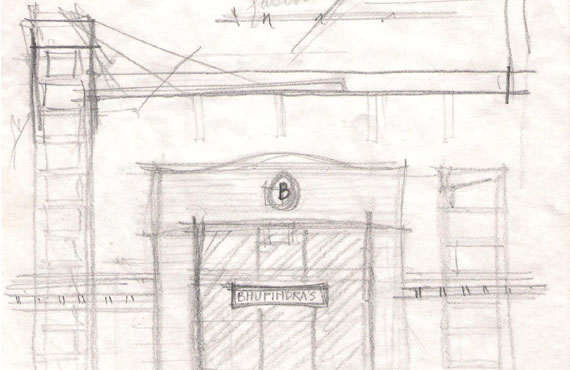
Concept elevation for Bhupindra Plaza
Sketch No. 3
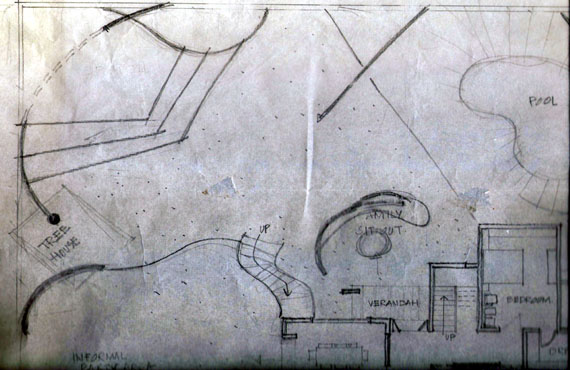
Study of outdoor activity areas for a farm house.
Sketch No. 4
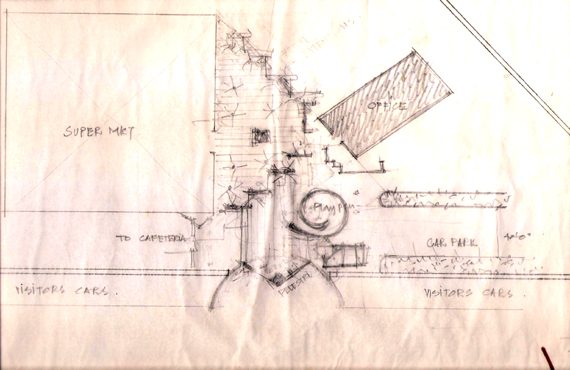
Study of space distribution and transition at a super market entrance.
Sketch No. 5
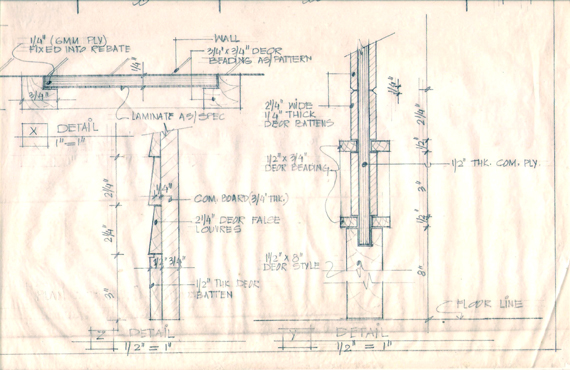
Construction detail of a wooden door and window.
Sketch No. 6
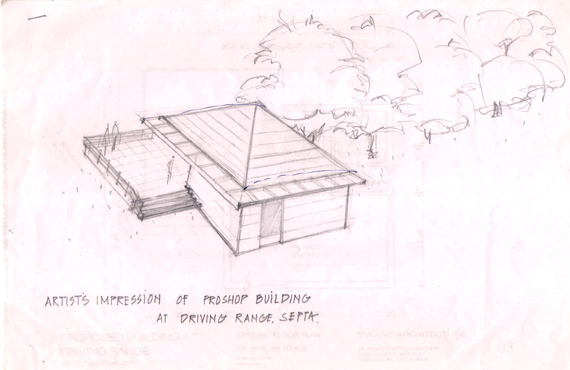
A quick free hand view for a client during discussion at concept stage.
Sketch No. 7
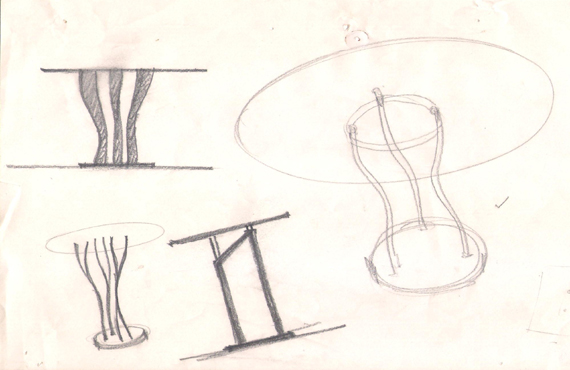
Furniture sketch for self study.